logo enlogo enlogo enlogo en
  • Home
  • About Us
    • Mission
    • History
    • Partners
    • Team
    • Contact form
  • Our Work
    • Forests
    • Rivers and other wetlands
    • Red list species and species invasion
    • Protected Areas and local communities
    • Eco-education
    • Legal support
    • War in Ukraine
  • Projects
    • Current projects
  • News and Publications
    • News
    • Publications
    • Media about us
    • Video
  • Get Involved
    • Public initiatives
    • Live green
    • DONATE
  • Contact us
  • Donate
  • ENG
    • UA
    • ENG
  • Головна
  • News
  • Can rare species survive in a large city?
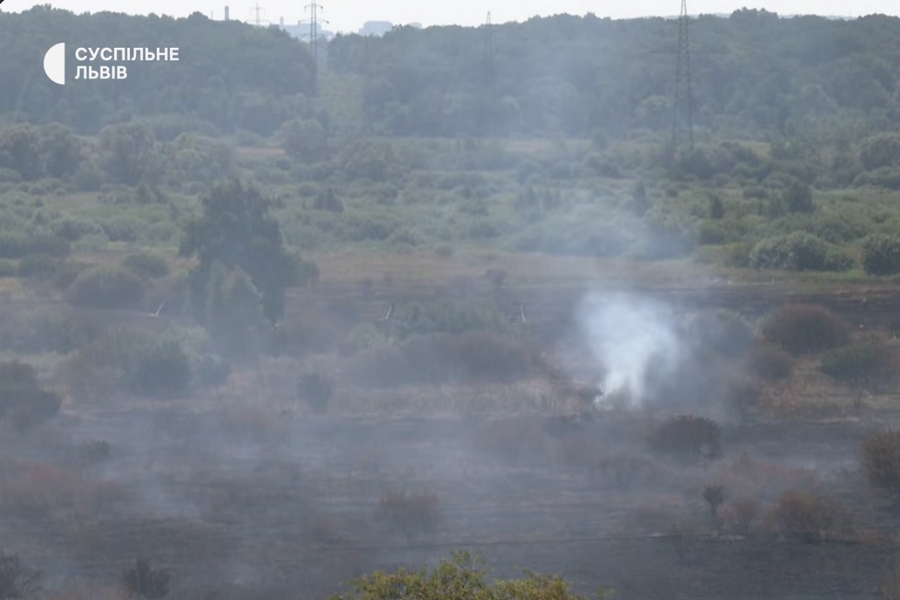
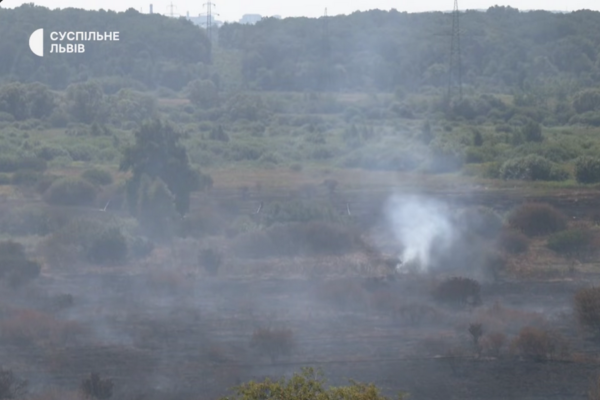
Суспільне Львів: Peatland fires: how firefighters are tackling the blazes in Lviv Region
August 7, 2026

Can rare species survive in a large city?

August 18, 2026

Usually, the answer is no, but there are rare cases in which a number of species can survive.

A small discovery that reminds us of the great value of the Northern Peatlands Landscape Reserve — a peatland area that was heavily drained in the past on the outskirts of Lviv. In very hot summers, the area suffers wildfires, prompting emergency restoration efforts to raise the water table.

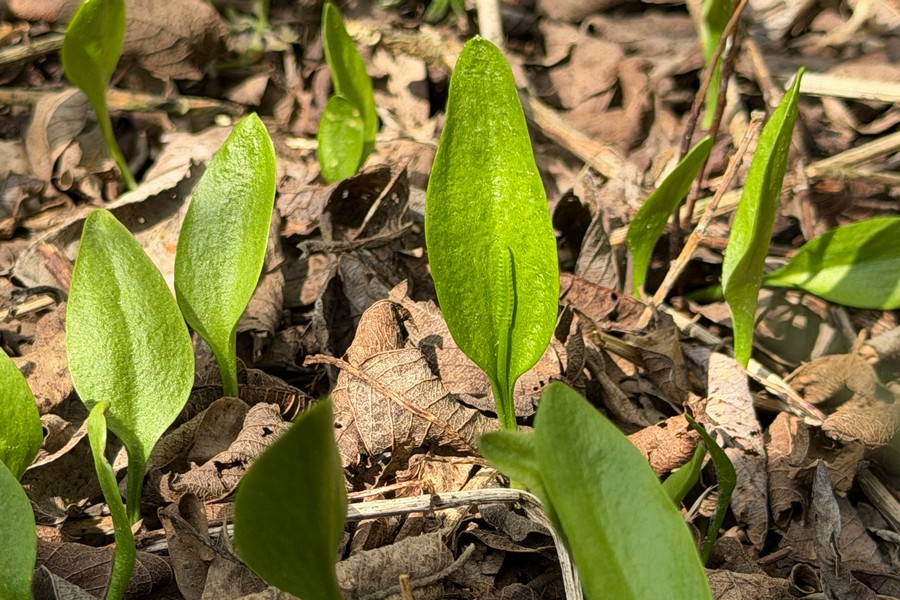
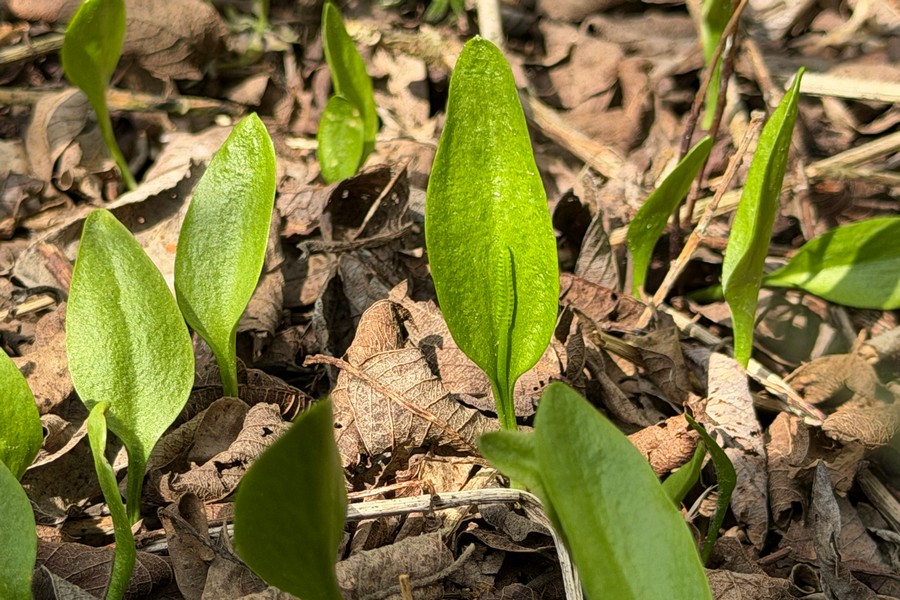
Most people would probably overlook this small plant. It is Ophioglossum vulgatum, adder’s-tongue, a rare species listed among the Lviv Region’s regionally rare plants.

Our expert, Dr Maryna Rahulina, discovered it while surveying vegetation and studying natural habitats in the Northern Peatlands Landscape Reserve in Lviv city, Ukraine.

In Ukrainian, adder’s-tongue is called vuzhachka (“little snake”), a name that shares the same origin.

The plant prefers well-moistened habitats and is therefore vulnerable to drainage and soil drying. It is characteristic of wet meadows that are periodically flooded for part of the year. These habitats are a conservation priority in Europe and are included in the Natura 2000 network.

Ophioglossum vulgatum is listed in the regional Red Lists of 16 Ukrainian regions. In 2018, Ukrainian botanists proposed adding the species to the Red Data Book of Ukraine. A decision is expected during the preparation of the next edition, likely in 2029.

Although the Northern Peatlands have undergone significant degradation due to drainage and land reclamation, some areas still preserve true gems of wild nature. This is why every new survey brings important discoveries and helps us better understand the ecological value of this landscape.

Many of the valuable plant and moss species, as well as the natural habitats, that have survived in the Northern Peatlands are closely linked to wetlands. If the peatlands continue to dry out, these species could disappear forever.

That is why one of the key priorities is to restore the natural water regime. These measures are planned as part of the SpongeWorks project, “Restoring Urban Peatlands for Climate Change Adaptation, Biodiversity Restoration and Community Benefits.” The project aims to restore water to drained peatlands, protect their biodiversity, and restore the natural functions of these unique ecosystems.

#SpongeWorks #NorthernPeatlands #Peatlands #RedDataBookOfUkraine #Biodiversity #WetlandRestoration #Ukraine

Related posts

August 7, 2026

Суспільне Львів: Peatland fires: how firefighters are tackling the blazes in Lviv Region


Read more
August 6, 2026

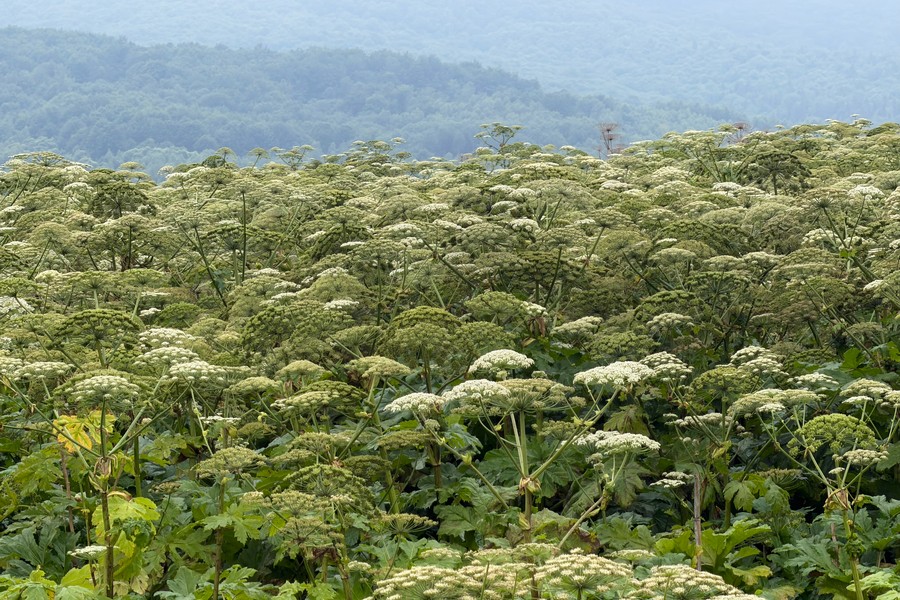
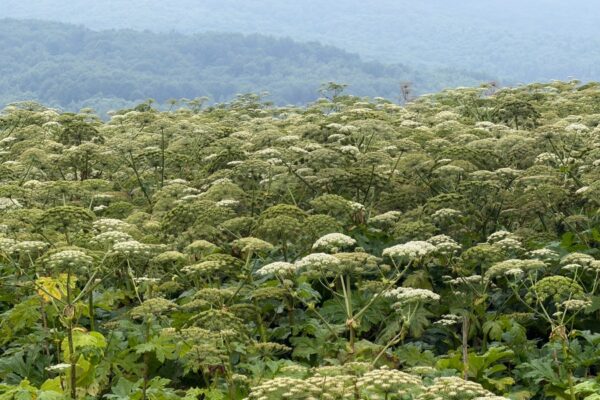
When invasive plants shadowed the mountains


Read more
July 14, 2026

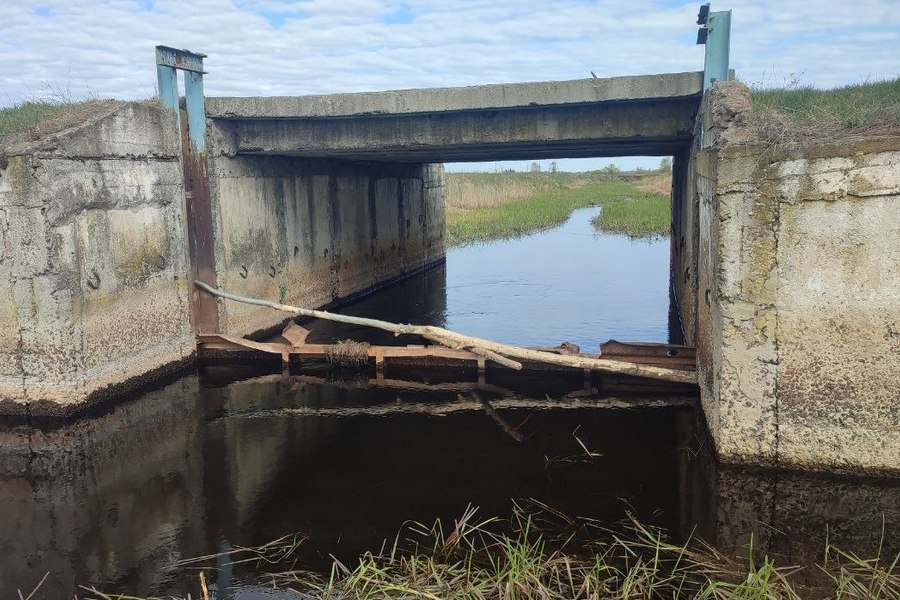
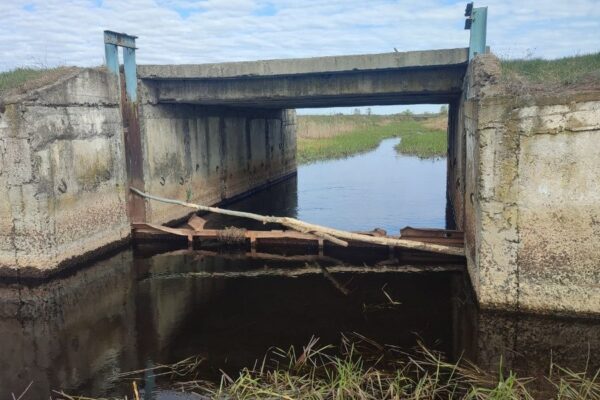
Looted Sluices in Polissya: Good or Bad for Nature?


Read more

Contacts


NGO “Danube-Carpathian Programme”


Yuri Mushak Street, 42
Lviv, Lviv region, 79011, Ukraine

Monday-Friday
9:00 - 18:00

Saturday-Sunday
holiday

dcp@natureexperts.org


Тел: +38-067-353-38-13

Тел: +38-068-136-11-21

Follow us

Join us

  • DONATE
  • Public initiatives
  • Live green
www.natureexperts.org © All Rights Reserved