Bohdan Prots, Head of the NGO Danube-Carpathian Programme and PhD in Biology, explains:
A significant proportion of our rivers have been heavily transformed and turned into channels. During large-scale drainage and land reclamation projects, they were straightened, their natural bends — meanders — and floodplains were destroyed, and their banks reinforced.
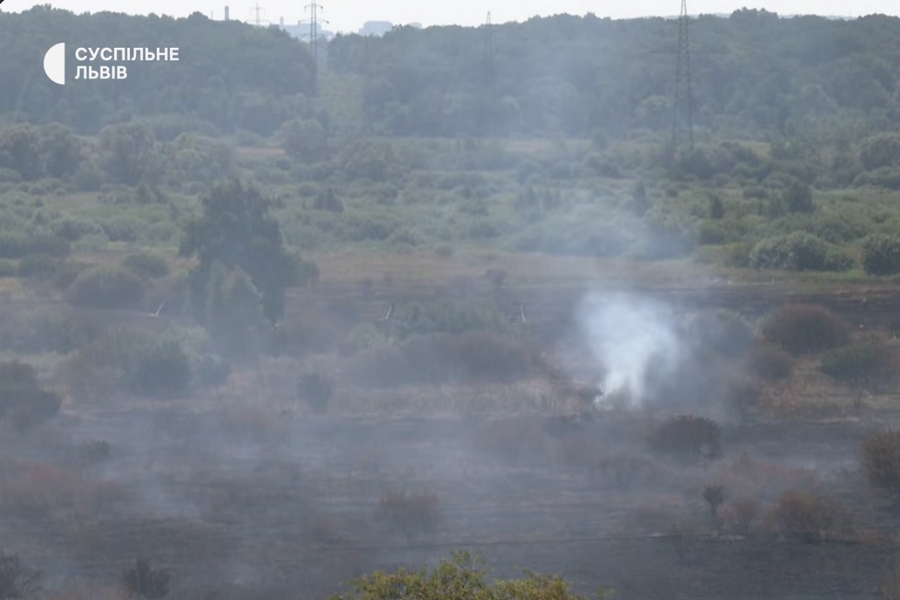
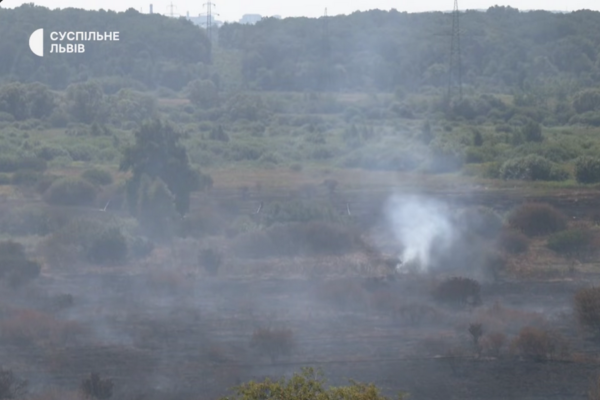
These rivers now function like drainage channels: after rainfall, they rapidly carry water away from the landscape, along with important nutrients. As a result, wetlands and peatlands dry out, fires become more frequent, groundwater levels decline, and small rivers — particularly in their upper reaches — increasingly dry up completely in summer.
That is why each case needs to be considered individually. Everything depends on the river’s water regime, the naturalness of its channel, flow velocity and floodplain width.
Where water needs to be retained to rewet peatlands, wetlands or floodplain meadows, we should not simply remove old structures. We also need to look for nature-based solutions that maintain river connectivity, avoid the deterioration of water quality and algal blooms associated with dams, and at the same time help retain water in the landscape.
- One of the most effective approaches is to restore river meanders and reconnect rivers with their floodplains.A winding river channel slows the flow, allows water to remain in the valley longer, and helps replenish moisture in soils and floodplains. This is not possible everywhere, however, due to land ownership, roads and other infrastructure.
- Another solution is to restore beavers. Beaver dams work with natural processes rather than against them. As we explained in one of our previous posts, there are important differences between beaver dams and human-built dams — and beaver dams do not inherently harm rivers, fish or other aquatic wildlife.
Where these measures are not sufficient, modern nature-based structures can be used.
- Rock riffles — gently sloping structures made of large natural stones, which can replace conventional dams in some locations. Water flows over the stones while fish and other aquatic organisms can continue to migrate.
- Beaver-dam analogues — structures made from wooden posts, willow branches, brushwood and local soil that mimic natural beaver activity.
- Low wooden overflow weirs — structures that slow rather than completely block the flow, raise groundwater levels and help rewet peatlands and wetlands. Over time, they can become integrated into the natural landscape. They can be particularly useful where nearby roads and other infrastructure need to be preserved.
We are already working with ecosystems that have been substantially altered by people — drained peatlands, channelised rivers and disappearing streams. Our task is therefore to find solutions that bring these ecosystems as close as possible to their natural state and restore at least some of their natural functions — including retaining water and recharging surrounding ecosystems,” says Bohdan Prots.
Across Europe, the dam removal movement is gaining momentum, with an increasing number of obsolete barriers being removed every year.
A few years ago, the Danube-Carpathian Programme removed old gats — traditional artificial barriers — from tributaries of the Tysa River in the Carpathian Biosphere Reserve.
Today, we are working to identify artificial barriers throughout the Prypiat River basin, with the long-term goal of restoring free-flowing rivers across Polissia and contributing to the development of a transboundary green shield.
#RiverRestoration #NatureBasedSolutions #DamRemoval #WetlandRestoration #Peatlands #WaterSecurity #ClimateAdaptation #FreeFlowingRivers #Ukraine #Polissia