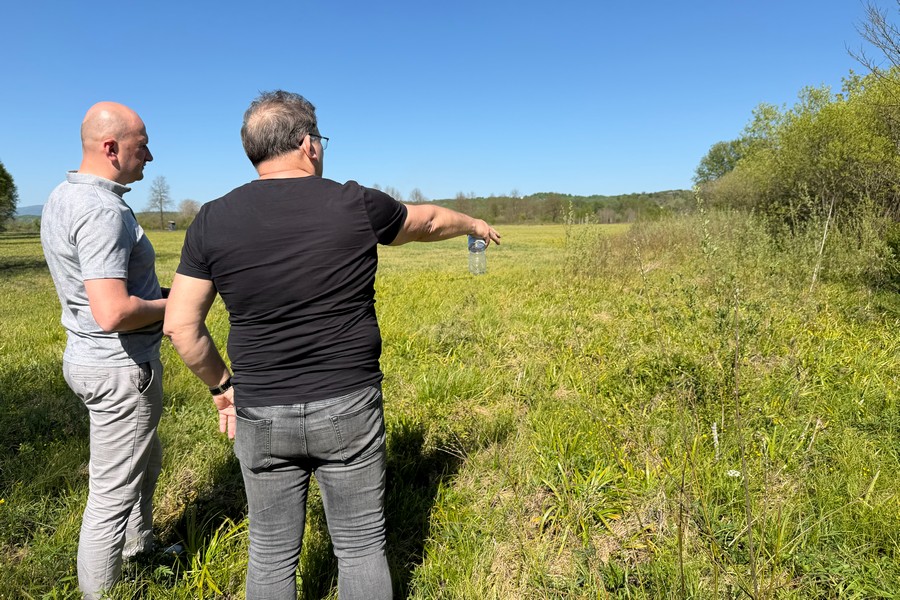
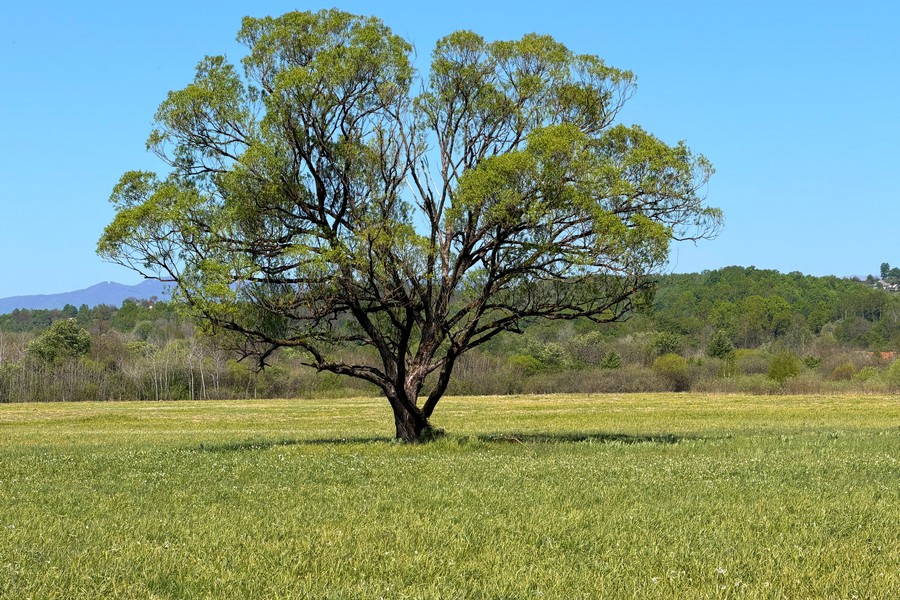
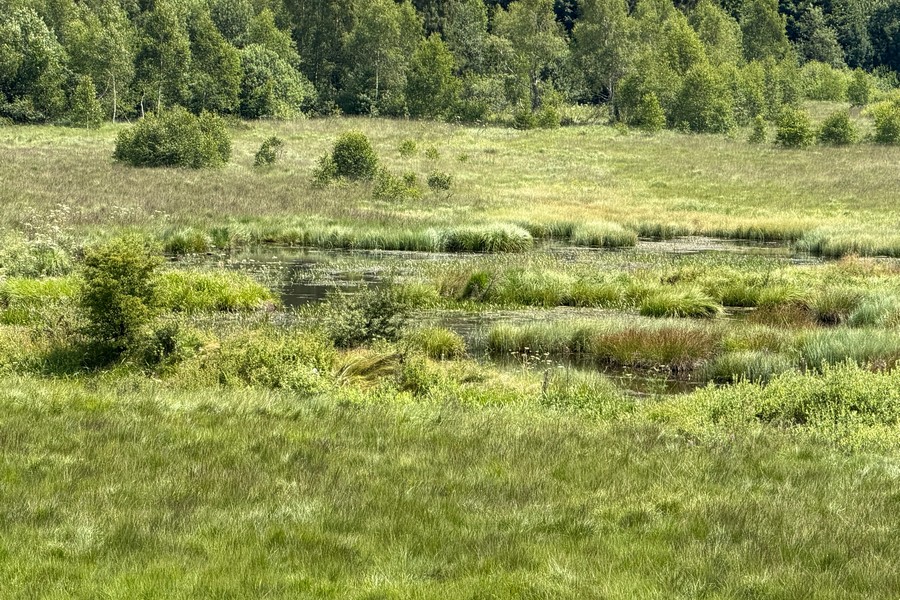
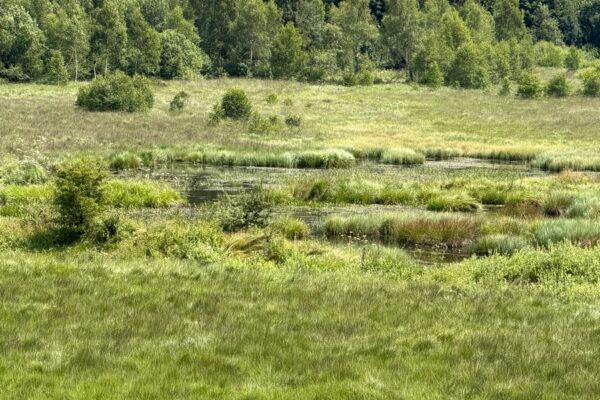
This area has been shaped over centuries by traditional land management practices — mowing and grazing. However, it is increasingly affected by climate change, shrub encroachment, disruption of the water regime, and the abandonment of traditional meadow management.
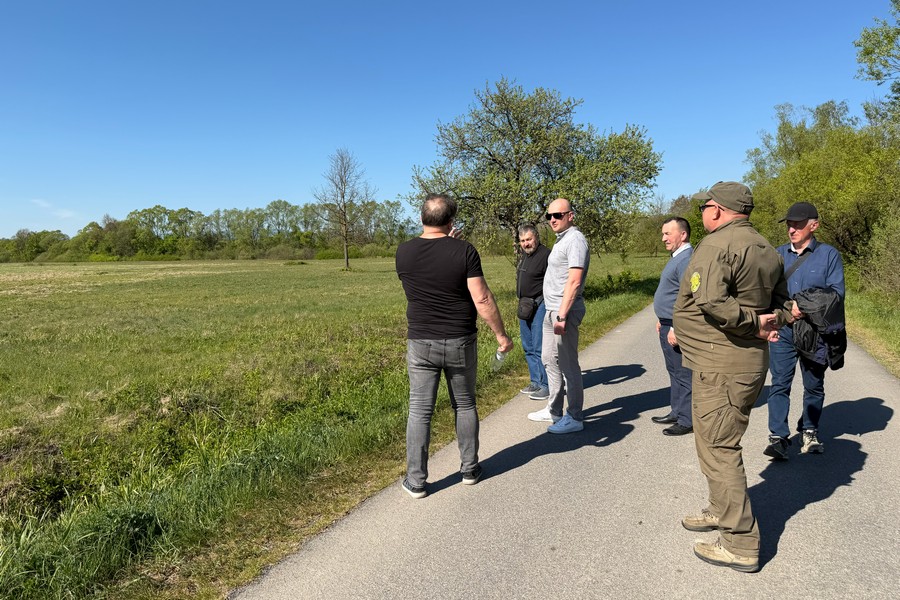
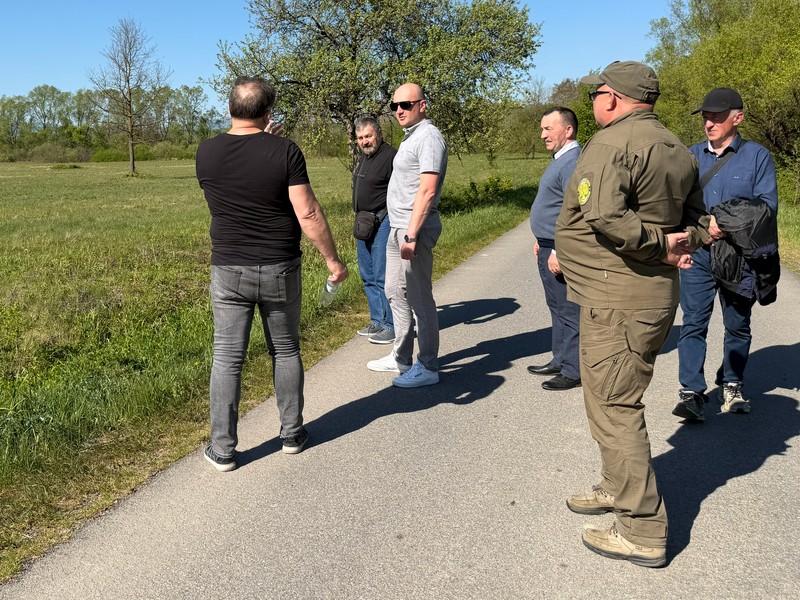
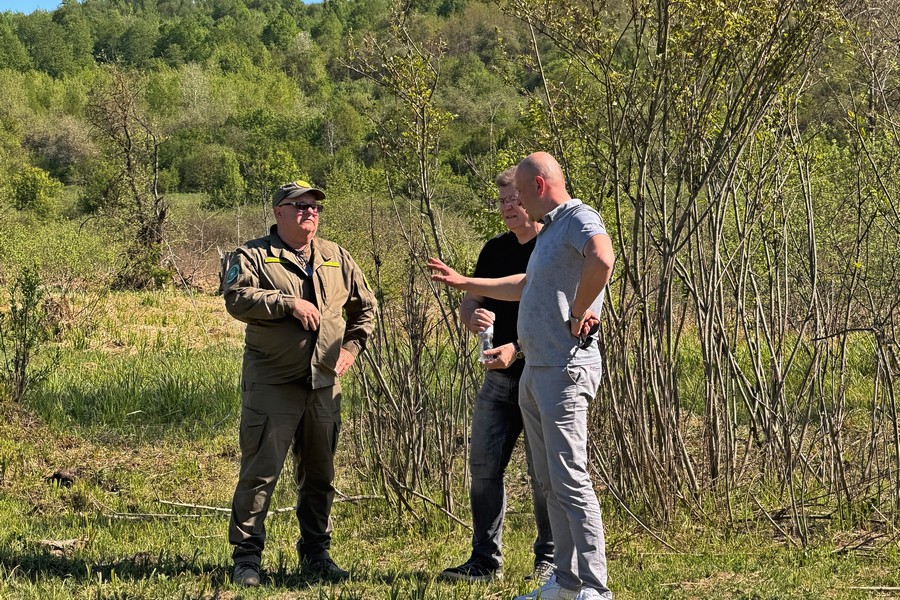
To find joint solutions to these challenges within the framework of the Interreg Europe project: Public-private governance of rivers and wetlands restoration and conservation as blue-green infrastructure (RIWET), we organised meetings with stakeholders, including representatives from the conservation sector and scientists, as well as the management of the Carpathian Biosphere Reserve.
During the meeting in the Valley of Daffodils, we discussed key challenges and possible solutions:
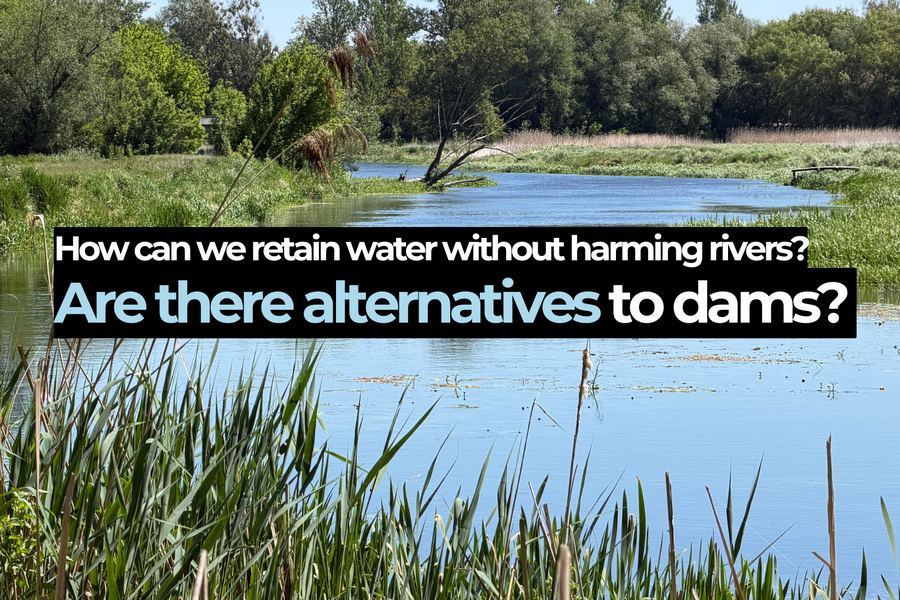
▪️ how to resolve the water issues in the Valley, which are becoming increasingly acute each year and are having a critical impact on the landscape;
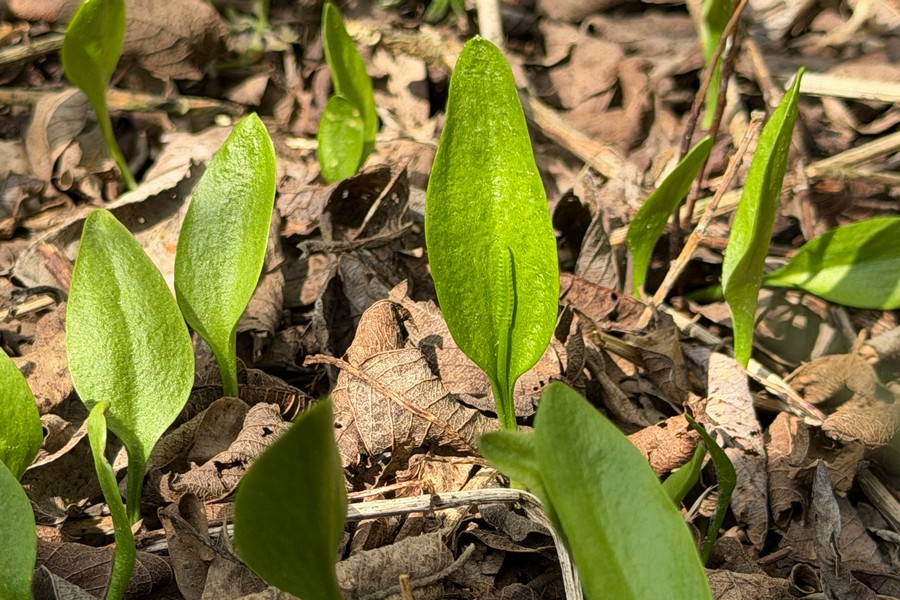
▪️ how to make the area attractive to tourists all year round, rather than just during the few weeks when the narrow-leaved daffodil is in bloom;
▪️ how to ensure traditional land management in the Valley and make this process sustainable — without constant high costs for mowing, weeding and clearing scrub.
We also held discussions with potentially interested farmers who practise traditional farming methods about the possibility of cooperation within the Valley of Daffodils.
Among this year’s priority measures, in collaboration with the Carpathian Biosphere Reserve and with support from the RIWET Interreg Europe project, we will carry out a series of activities, including the development of a restoration roadmap, the construction of spillways to retain water, the preparation of new information boards, and assistance with funding for mowing and the removal of bushes.
We will also continue joint research into changes in the Valley of Daffodils and the search for further solutions for its conservation.
We are convinced that the conservation of such areas is impossible without constant cooperation between conservationists, communities, academia, business and local authorities. Adapting to modern challenges requires not only resources, but also new, more flexible and nature-oriented approaches to management.
The ‘Valley of Daffodils’ or “Narcissus Valley” is not just a tourist destination. It is part of Ukraine’s natural and cultural heritage. Despite climate change and shifts in traditional farming practices, we must do everything possible to preserve it for future generations.