The photo shows an invasive red slug in Narcissus Valley (Spanish slug, Arion vulgaris). What will be their impact on the wild nature of Ukraine?
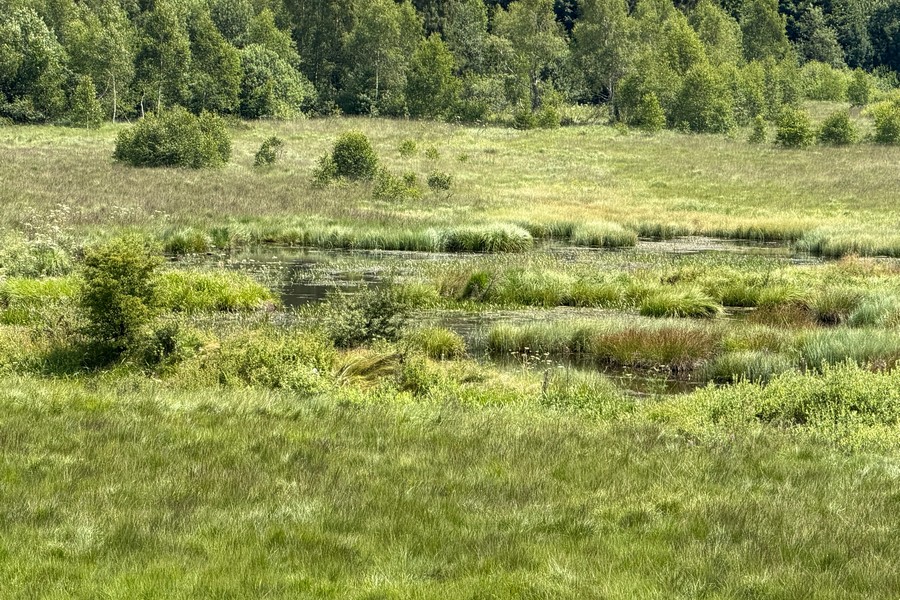
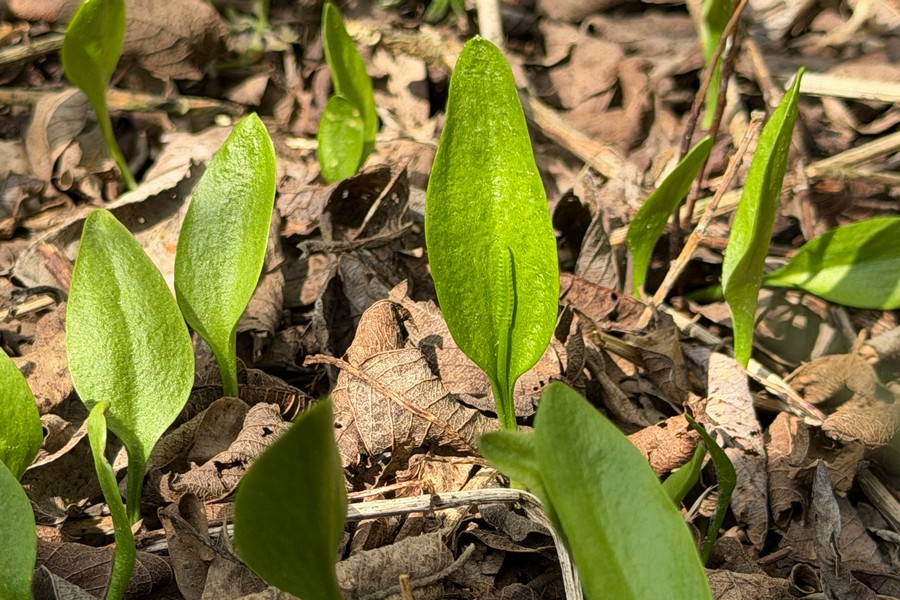
The valley of daffodils is known for the largest concentration of narrow-leaved narcissus (Narcissus angustifolius) in Central Europe. Tens of thousands of tourists come to admire its flowering every year.
This year, during the survey, scientists of the Carpathian Biosphere Reserve and the NGO “Danube-Carpathian Program” as part of the “Save the Narcissus Valley” project for the first time recorded the appearance of the Spanish slug in the Valley, actually in groups dominated by narcissus, noting the slug’s negative impact on seed formation.
The valley of daffodils is known for the largest concentration of narrow-leaved narcissus (Narcissus angustifolius) in Central Europe. Tens of thousands of tourists come to admire its flowering every year.
This year, during the survey, scientists of the Carpathian Biosphere Reserve and the NGO “Danube-Carpathian Program” as part of the “Save the Narcissus Valley” project for the first time recorded the appearance of the Spanish slug in the Valley, actually in groups dominated by narcissus, noting the slug’s negative impact on seed formation.
Invasion of snails in particularly valuable natural areas will increase, given their special adaptive and plastic capacities, which only increase with climate change.
To date, it is known that the slug has an effect on at least 78 wild plant species. And strong detoxification systems allow slugs to feed on alkaloid-rich plants (like daffodils) that other herbivores typically avoid.
Today, we need more detailed scientific research that will help not only to understand the scope of the impact, but also to develop measures to protect agricultural lands and the most valuable natural territories of Ukraine from the impact of this invasive species.
To date, it is known that the slug has an effect on at least 78 wild plant species. And strong detoxification systems allow slugs to feed on alkaloid-rich plants (like daffodils) that other herbivores typically avoid.
Today, we need more detailed scientific research that will help not only to understand the scope of the impact, but also to develop measures to protect agricultural lands and the most valuable natural territories of Ukraine from the impact of this invasive species.