logo enlogo enlogo enlogo en
  • Home
  • About Us
    • Mission
    • History
    • Partners
    • Our Team
    • Contact form
  • Our Work
    • Forests
    • Rivers and other wetlands
    • Red list species and species invasion
    • Protected Areas and local communities
    • Eco-education
    • Legal support
    • War in Ukraine
  • Projects
    • Current projects
  • News and Publications
    • News
    • Publications
    • Media about us
    • Video
  • Get Involved
    • Public initiatives
    • Live green
    • DONATE
  • Contact us
  • Donate
  • ENG
    • UA
    • ENG
  • Головна
  • AgriNatureMentoringENG
  • Why are the flower carpets of Summer Snowflake disappearing?
VIDEO: The release of flows in the upper reaches of the Tisza River: what has changed?
March 3, 2025
Together with the Carpathian Biosphere Reserve, a section of the bank of the Tysa River was cleaned
April 8, 2025

Why are the flower carpets of Summer Snowflake disappearing?

April 6, 2025
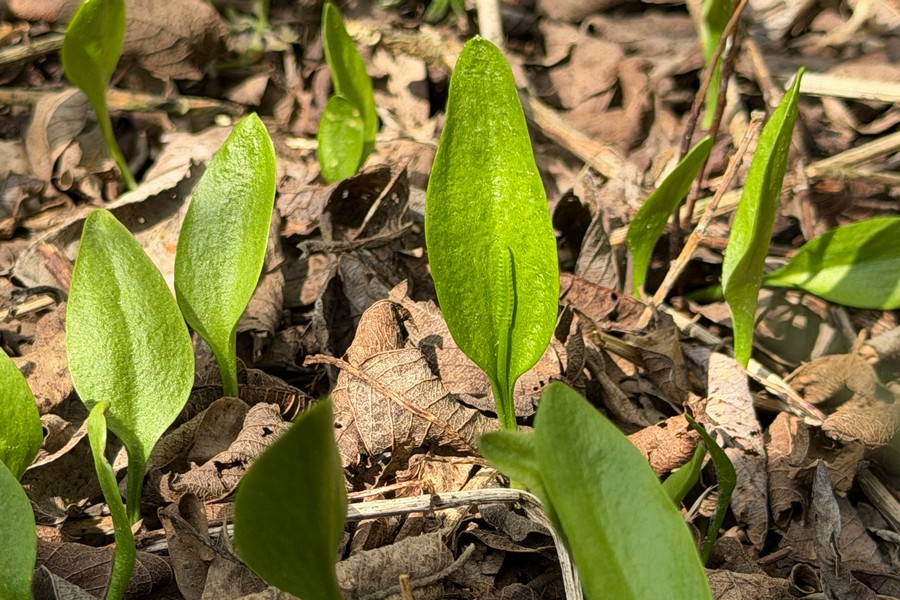
A continuous carpet of white flowers in a spring floodplain forest is a truly incredible sight. However, such “carpets” are rapidly disappearing and after a few decades they may remain only in photographs and memories.
Spring white flowers (Leucojum vernum L.) are a species listed in the Red Book of Ukraine. This plant is rapidly disappearing, because it requires moist soils of floodplain forests, which are practically gone:
  • after reclamation measures that were carried out everywhere in the last century,
  • and as a result of increasing climate change.
  • And in areas where plants have survived, they are actively picked for bouquets for sale.
“Unfortunately, it is very difficult to talk about specific areas or percentages when it comes to the disappearance of a certain species, in particular the spring white flower. After all, in order to be able to operate with numbers, long-term observations should be conducted. However, science traditionally does not have the resources for such long-term and large-scale studies.
But we see with our own eyes how valuable groups and rare plants are disappearing. For example, where 5 years ago the photo showed a carpet of spring white flower, now only a few small groups remain. This trend is not only with white flower. Along with floodplain forests, thickets of wild onion (Allium ursinum), moisture-loving orchids – marsh hyacinth (Epipactis palustris), helleborine hyacinth (Epipactis helleborine), egg-shaped tears of the zozulin (Lusteria ovata), as well as oak tulip (Tulipa quercetorum), fern (Ophioglossum vulgatum), etc.,” says the scientist and researcher of our organization, ecologist Maryna Ragulina.
In order to protect and preserve valuable territories, scientists of the NGO “Danube-Carpathian Program” Maryna Ragulina and Oleg Orlov, within the framework of the project “Creation of nature reserves in the Lviv region and adjacent territories for the preservation of wetlands” with the support of Natuurpunt Beheer, continue to explore potentially valuable areas for conservation in the vicinity of Lviv with the aim of creating new objects of the nature reserve fund.
“It is very disappointing when we come to a site where 5-10 years ago there were many unique species, and we no longer find anything valuable there. Yes, biodiversity is literally being lost before our eyes,” says Maryna Ragulina.
“To stop these negative processes, it is necessary to implement measures to restore floodplain ecosystems, aimed at returning the natural moisture regime to previously drained areas, in particular by arranging dams on old land reclamation canals. Abandoning old management methods and applying new approaches, in particular, creating protected areas for rare plant species, with a limited forest use regime and preserved soil cover, can prevent further impoverishment of the phytodiversity of floodplain forests,” says ecologist Oleg Orlov.

Related posts

April 16, 2026

Our new training and methodological guide “Benefits of Nature, Ecosystem Services and Nature-Based Solutions” has just been published.


Read more
April 16, 2026

Measures to support bird nesting in the Bilohorshcha Peatland Landscape Reserve in Lviv offer hope for increasing bird numbers in this part of the city.


Read more
April 16, 2026

New homes for birds: nest boxes are being installed in the Bilohorshcha Peatland Landscape Reserve


Read more

Contacts


NGO “Danube-Carpathian Programme”


Yuri Mushak Street, 42
Lviv, Lviv region, 79011, Ukraine

Monday-Friday
9:00 - 18:00

Saturday-Sunday
holiday

dcp@natureexperts.org


Тел: +38-067-353-38-13

Тел: +38-068-136-11-21

Follow us

Join us

  • DONATE
  • Public initiatives
  • Live green
www.natureexperts.org © All Rights Reserved