Although conservationists have long emphasized the importance of wetlands, particularly peatlands, for nature, people, and the climate, these ecosystems remain insufficiently protected. These highly valuable ecosystems have often been used for development, intensive agriculture, peat extraction, and other activities, without considering the enormous losses and risks caused by their drainage and destruction.


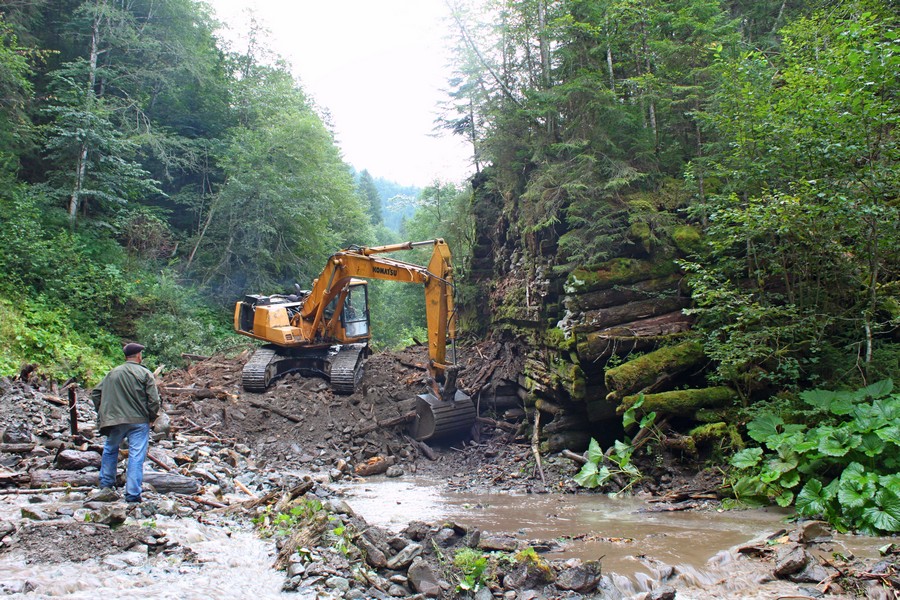
At least 603 river barriers were removed in Europe in 2025
June 2, 2026
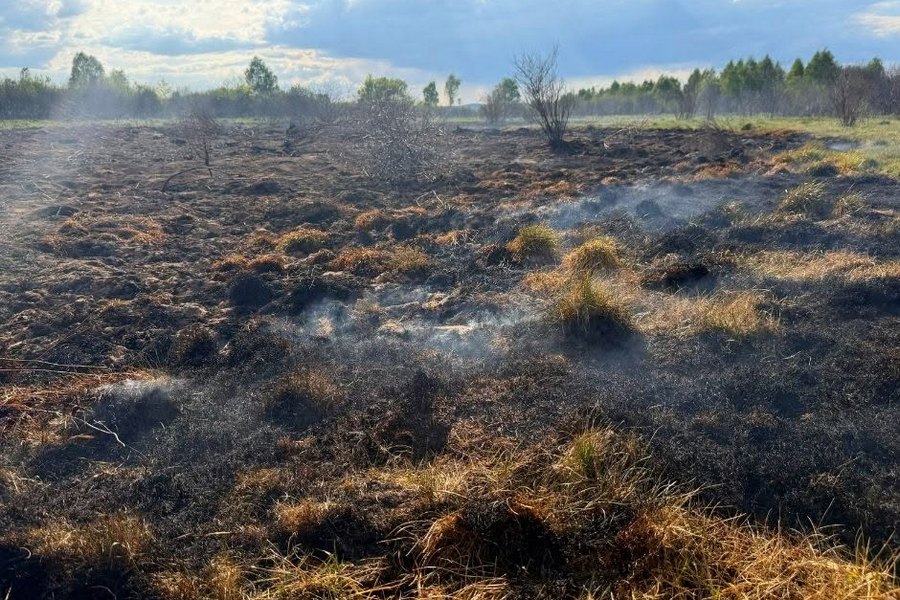
Today, part of the Northern Peatland in Lviv caught fire.
June 19, 2026
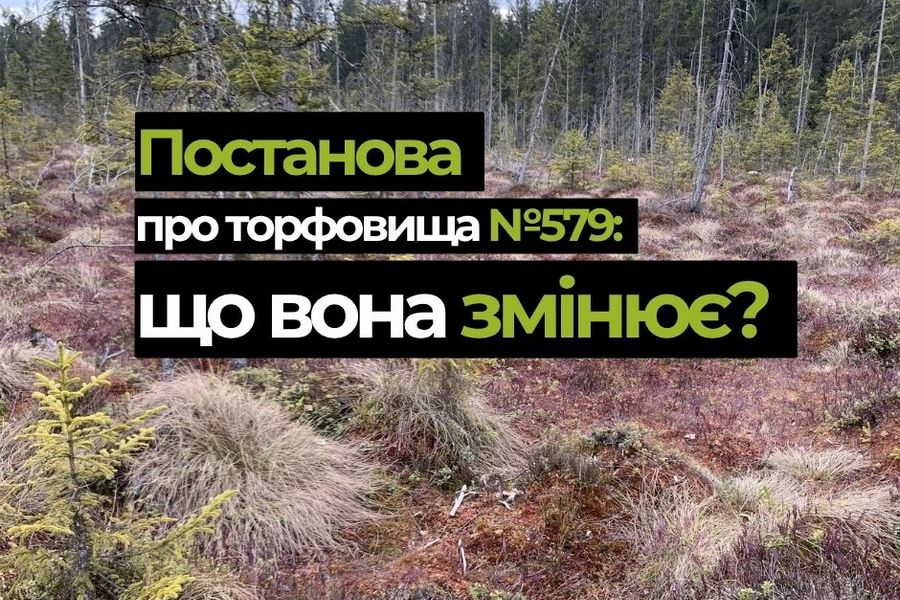
On March 9, 2027, Resolution No. 579 of the Cabinet of Ministers of Ukraine, adopted on May 6, 2026, “On the Specifics of the Legal Regime for the Use of Lands Under Peatlands and Possible Types of Their Designated Purpose,” will enter into force.
Sofiya Shutiak, legal expert and attorney at the Danube-Carpathian Programme NGO, analyzed the document and assessed its strengths and weaknesses.
However, it is too early to say that the Government has created conditions for the full protection of these unique ecosystems.
Among the positive changes, when forming land plots or changing their designated purpose, lands containing peatlands may belong only to specific categories: nature conservation lands, forestry lands, water fund lands, recreational lands, or health-improvement lands. The resolution also establishes a list of land-use types that may be located on such plots, including wetlands, meadows, pastures, hayfields, forests, and other natural ecosystems.
At the same time, the resolution does not extend additional protection to all types of peatlands. It largely relies on the existing provisions of the Land Code concerning especially valuable lands, while many other types of peat soils that are important for biodiversity conservation, water regulation, and carbon storage remain outside its scope.
Among its shortcomings, the document does not provide mechanisms for restoring degraded and drained peatlands, does not introduce new restrictions on their drainage, and does not establish dedicated protection instruments. Furthermore, Ukrainian legislation still allows changes in the designated purpose of even especially valuable lands in certain cases, including for investment projects involving significant investments.
In practice, this resolution may provide environmental activists and local communities with a digital marker in the land cadastre that can help block obvious attempts to subdivide or develop deep peatlands.
However, it is unlikely to stop major investors due to the legal loopholes that remain in place, nor will it initiate real processes of ecosystem restoration and rewetting.
“If peatlands are properly identified, mapped, and taken into account during land-plot formation, this will provide conservationists, scientists, and local communities with additional arguments in their dialogue with authorities and help protect these areas from destruction. However, genuine peatland protection requires not only accounting and mapping, but also active restoration of degraded ecosystems, reduction of fire risks, and biodiversity conservation,” notes Vasylyna Strus, Coordinator of the project ‘Restoration of Urban Peatlands in the Lviv Territorial Community for Climate Change Adaptation, Biodiversity Recovery, and Community Benefits.’
The full legal review of the resolution is available at: