“Russia committed an act of aggression against Ukraine — a grave violation of the United Nations Charter and international law.”
In such circumstances, Ukraine has the right to self-defence: actions to protect sovereignty and the population are lawful, even if they have incidental environmental impacts. Accordingly, environmental damage caused in the course of defending sovereignty and the population is considered justified. This follows from international law and is further reflected in the PERAC principles, as noted by Sofiia Shutiak.
It is important not to fall into the trap of discussing only the methods and means of warfare, as this implicitly accepts the legitimacy of war.
Instead, it must be clearly stated that war itself is unacceptable.
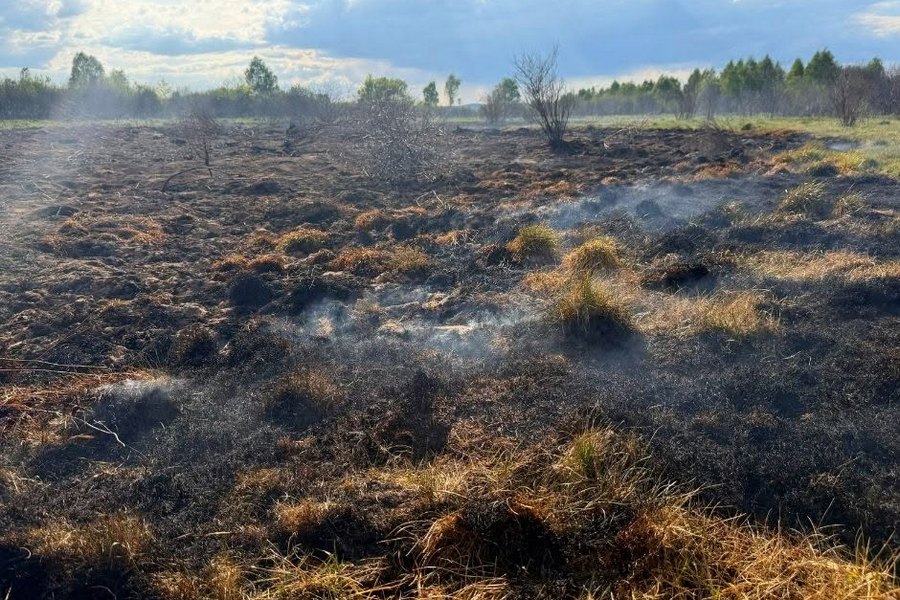
“War always leads to environmental destruction. The party that starts a war cannot be unaware of its consequences, even if it does not intend them. The aggressor can stop large-scale environmental damage by ending the act of aggression,” Shutiak emphasises.
In simple terms, this means:
- Responsibility for environmental damage lies with the aggressor who started the war;
- Defensive actions are not equivalent to aggression;
- Damage caused in defence is assessed in the context of necessity.
These principles are also reflected in contemporary approaches to international law, including the PERAC principles, which explicitly recognise that an aggressor must anticipate the environmental consequences of its actions.
Attempts by Russia to present itself as a “victim of environmental consequences” are intended to:
- divert attention from its own responsibility;
- undermine Ukraine’s right to self-defence;
- manipulate environmental narratives.
The international community must not only condemn aggression but also ensure accountability for its consequences — including environmental harm.