Engaging with Indigenous Peoples and Local Communities for Biodiversity Conservation: Trainer’s Guide
December 4, 2024
Interreg Europe: Public-private governance of rivers and wetlands restoration and conservations as blue-green infrastructure (RIWET)
December 16, 2024

With the support of:
The duration of the project:
11.2024-02.2027
Partners:
Background:
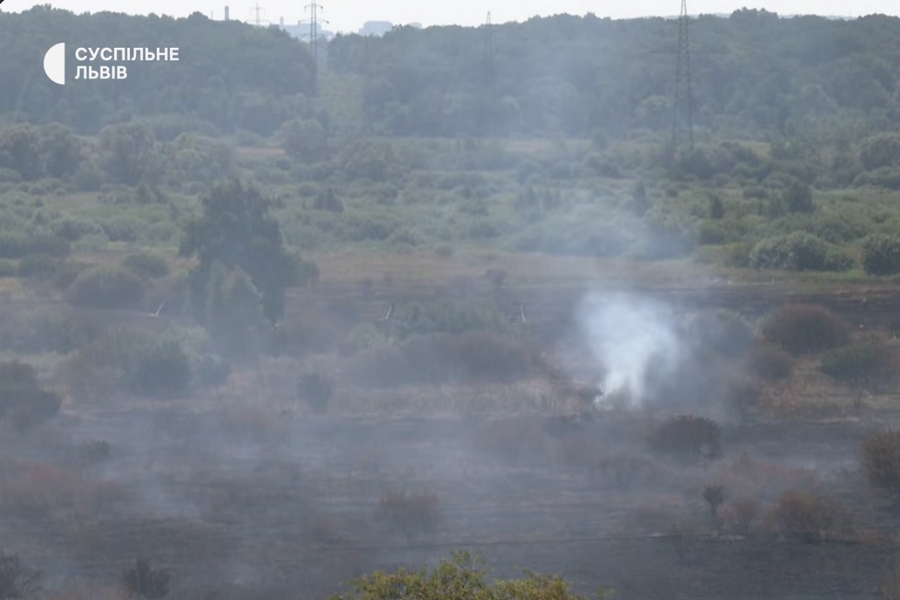
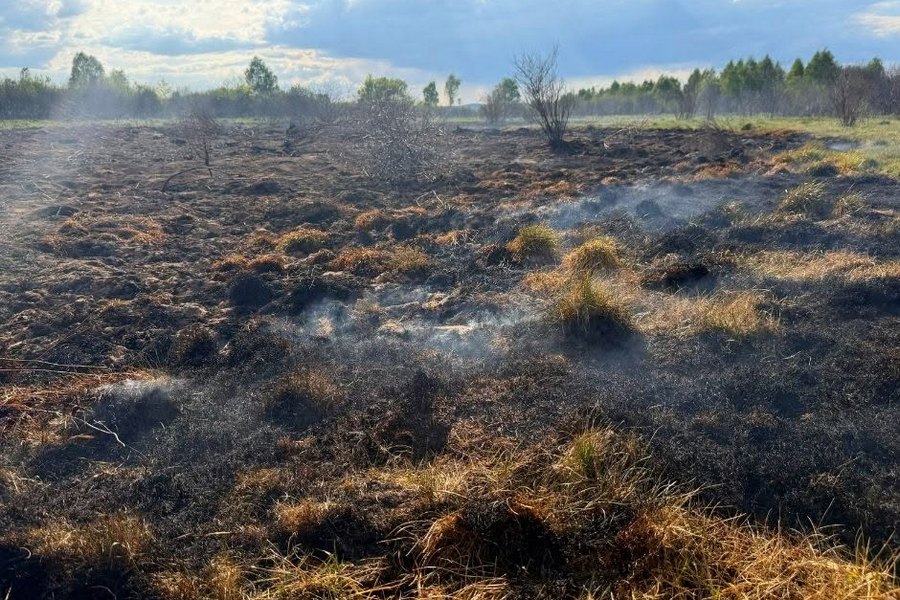
The effects of climate change are particularly pronounced in medium-sized European cities such as Lviv in Ukraine. In addition to the repercussions of the armed conflict, the city is confronted with the mounting challenge of mitigating the adverse effects of heat stress and drought, as well as biodiversity loss, particularly in wetlands. Urban wetlands constitute an integral component of the blue-green infrastructure of urban areas, functioning as a vital natural climate buffer. The long-term melioration projects initiated during the Soviet era resulted in the destruction of numerous biodiversity peatland hotspots within the city and in the surrounding area.
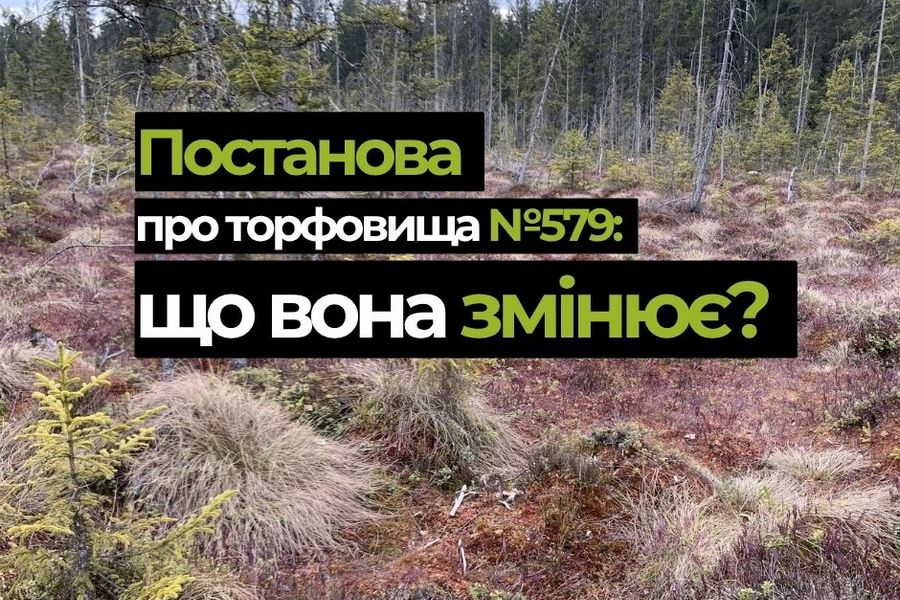
The project’s objective is to restore the peatland landscape reserve, Bilohorscha (58.8 ha), which is situated within the boundaries of Lviv city.
The site has undergone degradation as a result of the development of peat during the Soviet period of the 1960s and 1980s. The presence of drainage channels on the site has a detrimental impact on the water balance of the reserve. The dismantling of a portion of these channels, coupled with the restoration of the water balance of the territory and the removal of other artificial barriers within the reserve area, will contribute to an improvement in biodiversity, as evidenced by scientific studies.
Activities:
(1) Conduct a scientific survey (water, biodiversity, human impact) to evaluate the situation before and after the restoration measures based on the IUCN methodological approach and develop a roadmap for restoration measures considering programme experience;
(2) Dismantle part of the structures of drainage channels to restore the water balance of the territory and remove other artificial barriers in the protected area;
(3) Restore vegetation types to raise the water table. Furthermore, the introduction of native species seeds (such as sedges) is recommended for planting.
(4) The arrangement of five wooden paths for locals, two birdwatching towers and the removal of invasive species on an area of a total of 10 ha is also advised.
(5) The development of a city restoration platform for engaging people and volunteer recruitment is recommended, which will include broad communication support (such as brochures, newsletters, a website, a toolkit, social media, etc.). Furthermore, the new volunteers will be offered a variety of training programmes, including participation in interactive seminars designed to impart experience, knowledge, and tools that can be employed to enhance the road map programme for the restoration of city wetland ecosystems.
(6) Augment environmental education and awareness among the local community regarding the significance of restoring wetlands.
Funded by the European Union. However, the views and opinions expressed are those of the author(s) alone and do not necessarily reflect the views of the European Union or the European Executive Agency for Climate, Infrastructure and Environment (CINEA). Neither the European Union nor the granting authority can be held responsible for them.